

Planning Like a Pro: Safety Guidelines
Planning any event requires attention to detail and careful consideration of various factors to ensure its success. Whether you are organizing a corporate gathering, a birthday party, a wedding, or any other special occasion, following safety guidelines is crucial to protect the well-being of your guests and make the event memorable for all the right reasons.
1. Venue Selection
Choose a venue that is spacious enough to accommodate your guests comfortably and consider any specific requirements such as accessibility for disabled individuals. Ensure that the venue meets safety standards and has necessary facilities like fire exits, first aid kits, and emergency lighting.
2. Crowd Management
Plan for adequate crowd control measures to avoid overcrowding and ensure a smooth flow of people. Clearly mark entry and exit points, assign staff to manage the crowd, and have a contingency plan in case of emergencies.
3. Food and Beverage Safety
When serving food and beverages, prioritize food safety practices to prevent foodborne illnesses. Ensure proper storage, handling, and serving of food, especially if you are catering for a large number of guests. Provide options for guests with dietary restrictions or allergies.
4. Health and Hygiene
Encourage good hygiene practices among guests by providing hand sanitizing stations and reminding them to wash their hands regularly. If the event includes activities that may pose health risks, such as swimming or outdoor games, take necessary precautions and have trained personnel on standby.
5. Emergency Preparedness
Develop a comprehensive emergency plan that includes procedures for evacuations, medical emergencies, and other unforeseen incidents. Communicate the emergency procedures to all staff members and ensure they are trained to handle different scenarios effectively.
6. Professional Staffing
Hire experienced and reliable staff to manage different aspects of the event, such as security, catering, and first aid. Ensure that all staff members are briefed on safety protocols and are equipped to handle any issues that may arise during the event.
7. Communication and Signage
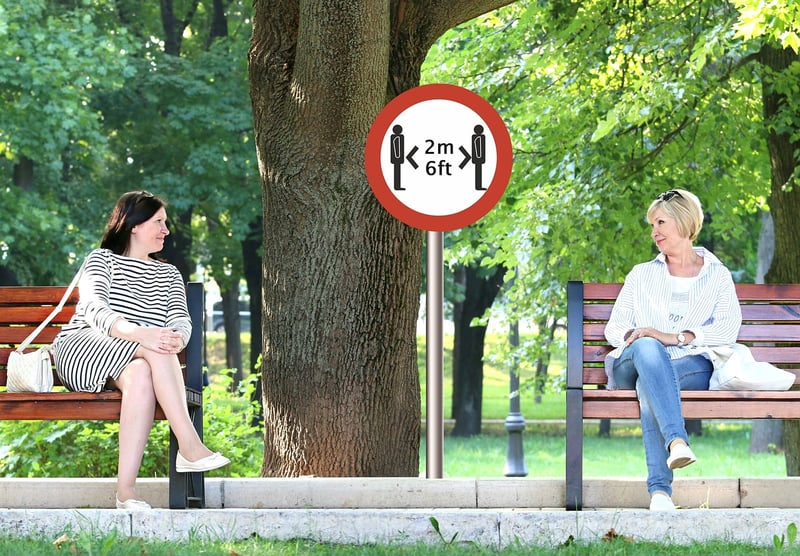
Use clear signage throughout the venue to guide guests to important locations like restrooms, emergency exits, and first aid stations. Provide information about safety measures and emergency contacts prominently to keep guests informed.
8. Regular Inspections
Conduct regular inspections of the venue and equipment to identify any potential hazards or safety risks. Address any issues promptly and make necessary adjustments to ensure a safe environment for everyone attending the event.

By following these safety guidelines and planning like a pro, you can create a secure and enjoyable experience for your guests while minimizing the risks associated with hosting events. Remember that prioritizing safety not only protects your guests but also enhances the overall success of your event.
Plan ahead, stay organized, and always keep safety at the forefront of your event planning efforts!